Signs of upper respiratory disease can vary from mild airway noise to severe distress with heat and exercise intolerance. In some cases it can even lead to death.
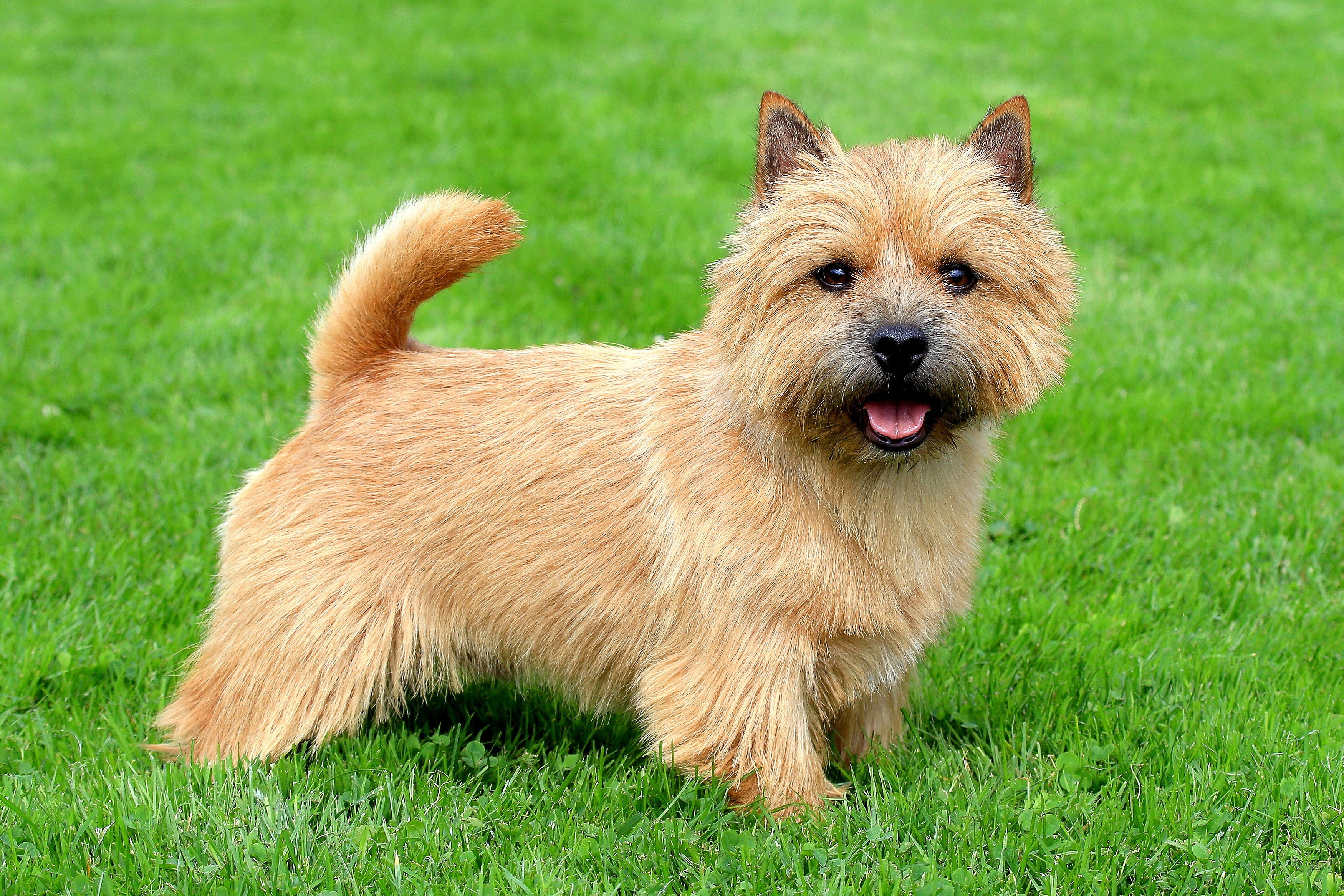
Brachycephalic airway syndrome is a well-recognized condition and everted laryngeal saccules (outpouched laryngeal tissue) are a common feature in brachycephalic dogs. In the case of Norwich Terriers recent evidence shows that there are changes in the larynx that are not seen in brachycephalic dogs: redundant tissue at the top of the larynx and narrowing of the larynx behind the glottis. In Norwich Terriers it is likely that upper airway syndrome is a separate and different condition from brachycephalic airway syndrome, with distinctive, primary changes arising in the larynx.
While breeders have long known of upper airway issues in Norwich Terriers (NTUAS), veterinary awareness and recognition of NTUAS has lagged behind. The Norwich Terrier Upper Airway Syndrome (NTUAS) Study Group evaluated 56 variables from recorded airway examinations and computed tomography (CT) of the head and neck. This webinar summarizes the Study Group's findings and includes discussion on:
- Signs of upper respiratory compromise
- The importance of a full upper airway examination and why all components should be evaluated
- Components that appear to contribute to NTUAS
- How the NTUAS Score was developed and what it means
- The nature of progression of NTUAS over time
Running time: 57 mins followed by 10 mins of Q&A
Approved for 1 hour of CE credit by AAVSB RACE and NY State